
If you’re running a Ford or Lincoln franchise right now, you probably don’t need a morning coffee to get your heart racing. The headlines are doing that for you. Ford is currently sitting at the top of the leaderboard for 2026, but it’s not for a NASCAR trophy or a sales record. It’s for recalls.
As of early March, Ford has already issued 17 recalls this year. To put that in perspective, heavy hitters like Toyota and Hyundai are sitting at about five each. The latest bombshell? A massive 1.74 million vehicle recall centered around rearview camera malfunctions that is sending shockwaves through service departments across the country.
For most people, a recall is an annoyance: a letter in the mail and a lost afternoon at the dealership. For you, the dealer, it’s a logistical mountain. It’s a surge of phone calls, a bottleneck in the service bays, and a liability nightmare for your used car lot. At Trade Recalls, we’ve seen this movie before, but the scale of this "Recall Surge" is something different. It’s time to stop reacting and start scaling.
The Breakdown: What’s Actually Happening?
This isn't just one bad part; it’s a two-pronged software and hardware headache. The 1.74 million units are split into two distinct categories, both involving the tech that drivers rely on every time they shift into reverse.
First, we have the APIM (Accessory Protocol Interface Module) overheating issue. This affects roughly 849,000 units, specifically the 2021-2026 Ford Bronco and the 2021-2024 Ford Edge. When these modules get too hot, they undergo a thermal shutdown. That means the screen goes black for up to five minutes. While Ford is pushing for Over-the-Air (OTA) updates, a huge chunk of these owners will still end up in your driveway because "the internet didn't fix it" or they simply want a human to verify their car won't melt.
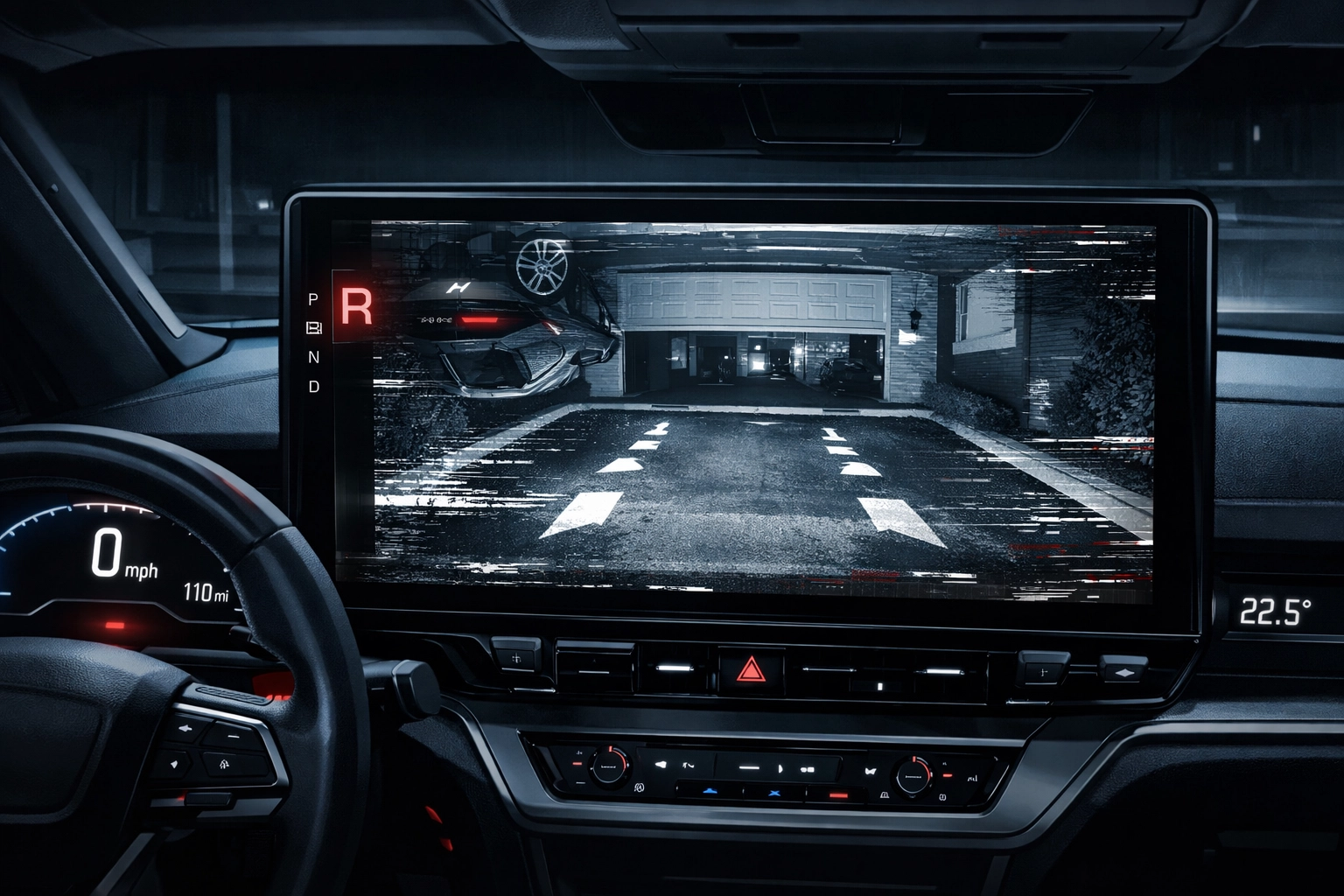
Second: and more frustratingly: is the inverted image issue. We’re talking about 889,000 vehicles, including the Ford Escape, Lincoln Corsair, Aviator, and Explorer. Owners are reporting that when they put their SUV in reverse, the camera image is literally upside down or flipped.
Here’s the kicker: For many of these vehicles, especially the 2020-2022 Escapes, there is no official fix yet.
Imagine that for a second. Nearly a million owners are being told their safety equipment is failing, and when they call your service desk, your advisors have to tell them, "We know, but we can't fix it yet." That is a recipe for a customer service meltdown.
Turn Nearby Open Recalls Into Booked RO’s With Response
When 1.74 million vehicles get flagged, your opportunity is not limited to what is already on your lot. The real surge shows up in your market—owners driving around with open recalls and no plan to get them fixed until someone makes it easy.
Worse, those recall repairs still come with the same constraints: bays, tech time, parts, and scheduling. If you wait for owners to call you, you stay reactive—and you leave revenue on the table.
This is where Trade Recalls Response becomes the primary advantage for Ford dealers. Response lets you proactively claim nearby open recalls from the Trade Recalls dealer network, then turn them into scheduled work you can complete efficiently. You pick the right jobs based on distance, recall type, and your shop capacity—then you execute.
Here is the win: you fix the recall free of charge for the vehicle owner, but you still generate revenue through the recall repair process while building real loyalty. You are not just solving a problem—you are creating a reason for that customer to come back for maintenance, tires, and their next vehicle.
Time equals money. Response helps you convert the recall surge into throughput, revenue, and retention—instead of backlog and chaos.
Managing the "Is My Car Safe?" Influx
When a recall hits the 1.7 million mark, the local news picks it up. Then the national news picks it up. Then every Ford owner in your ZIP code starts wondering if their backup camera is going to flip upside down while they’re backing out of a grocery store parking lot.
Your service advisors are already the hardest-working people in the building. Now, they’re being bombarded with the same three questions:
- "Is my car part of the recall?"
- "Can I bring it in today?"
- "Why isn't there a fix yet?"
If your team is spending six hours a day answering these repetitive questions, they aren't spending time upselling service or managing the actual repairs.
Our AI Receptionist is a necessity in this environment. It’s designed to handle the high-volume, low-complexity queries that a recall surge generates. It can verify a customer's VIN, explain the current status of the recall (including the "no fix yet" status for the Escape models), and even schedule an appointment for when the software becomes available. It’s about giving your humans the breathing room to do human work, while the AI handles the 1.74 million-person panic.
The "Safety Valve": Dealer-to-Dealer Connectivity
Let’s talk about capacity. Even if every Ford owner was perfectly patient, your service bays have physical limits. Between the 1.74 million camera recall and the massive 4.4 million vehicle trailer brake recall also looming, the Ford service network is reaching a breaking point.
What happens when your shop is booked four weeks out, but you have a loyal customer who needs their Lincoln Aviator fixed now? Or what if you have 50 recalled units on your lot and zero tech availability to process them?
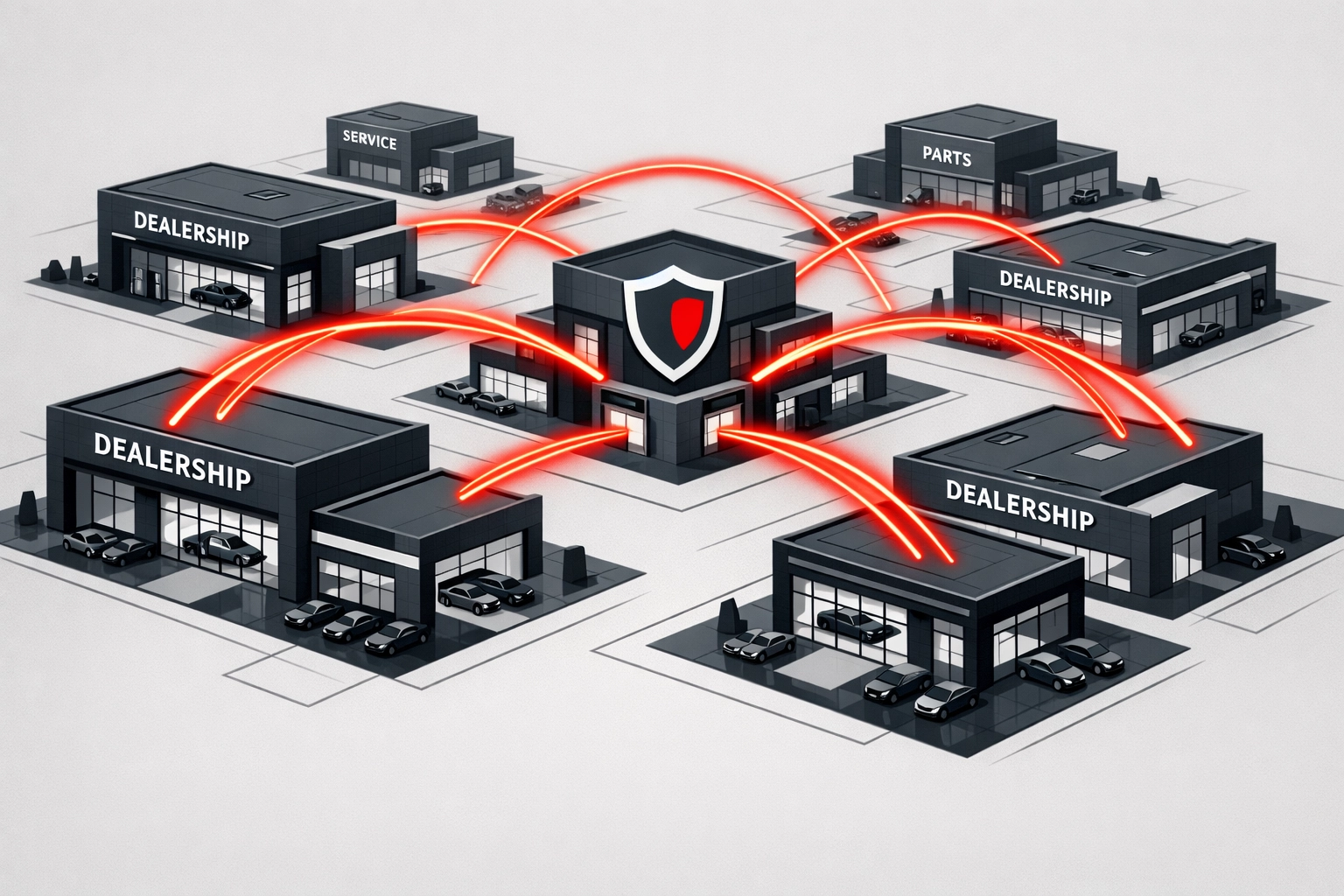
This is why the Dealer-to-Dealer Network from Trade Recalls is a game-changer. We believe that recalls shouldn't be a solitary struggle. Our platform allows dealers to connect and offload volume when one shop is overwhelmed. Maybe a neighboring dealer has the tech capacity but lacks the parts, or vice versa. By creating a collaborative ecosystem, we turn a logistical bottleneck into a managed workflow.
You can learn more about how we facilitate these connections on our About Us page. It’s about more than just software; it’s about a smarter way to move metal.
Turning a Crisis into a Retention Strategy
It’s easy to view a recall as a negative. It’s a "defect," after all. But savvy dealers know that a recall is one of the most effective customer acquisition and retention tools in existence.
Think about it: 1.74 million people are being told by the manufacturer to visit a dealership. Many of these people might not have stepped foot in a Ford service center in years. They might be "independent shop" loyalists who are now forced back into your ecosystem.
If you handle this surge with efficiency: if you use AI Receptionist to make their first contact seamless, and Trade Recalls tech to ensure their vehicle is handled quickly: you’ve just won a customer for life. You’ve shown them that when things go wrong, you have the technology and the professional infrastructure to make it right.
Don’t Get Buried Under the Surge
The Ford recall surge isn't going away. With Ford’s current trend of 17 recalls in the first two months of 2026, we can expect the volume to stay high. The dealers who will thrive are the ones who stop treating recalls as "extra work" and start treating them as a repeatable revenue motion.
You need tools that move as fast as the news cycle. You need an automated system to handle the surge of calls so your service team does not burn out. And most importantly, you need a way to claim and complete recall work—before it drifts to the next store.
Trade Recalls was built for this exact moment. Response is the primary solution for dealers who want to capitalize on the 1.74 million-vehicle recall surge by proactively claiming nearby open recalls from the network and getting them fixed—fast, organized, and customer-friendly.
Ready to see how Response can help you turn open recalls into booked appointments and loyal customers? Check out our product lineup or get started today.
The letters are already in the mail. The phones are about to start ringing. Let’s make sure you are ready to answer.
Stay ahead of the surge. Stay profitable. Stay the store they trust.
Looking for more insights on managing your dealership's liability? Visit our Pricing page to find a plan that fits your store's volume.