
You have a recall vehicle sitting on your lot. It has been there for 47 days. Floor plan interest is accumulating. Your sales team cannot move it until the recall is complete. The parts you need are backordered for another three weeks: minimum.
Meanwhile, a dealer 35 miles away has the exact parts you need gathering dust in their service bay. They completed that same recall yesterday and have leftover inventory. You have no way to know this. They have no way to reach you.
This is the broken state of vehicle recall management in 2026.
Dealerships traditionally operate in silos when it comes to recalls. Each dealer scrambles independently to source parts, schedule repairs, and clear inventory. Competing for the same scarce resources. Working against each other rather than together.
The result? Inventory sits longer. Service bays remain underutilized. Revenue opportunities vanish.
Fortunately, a new approach is changing everything.
The Traditional Recall Problem: Competition Over Collaboration

The automotive industry has always treated recall work as exclusive territory. Manufacturers assign recall repairs to their authorized dealership networks. Each dealer handles their own recall burden independently.
This creates predictable inefficiencies. When a dealer acquires a vehicle with an open recall, they enter a waiting game. Parts availability varies wildly across regions and manufacturers. Some recalls require specialized diagnostic tools or training that not every service department possesses.
The traditional model operates on scarcity thinking. Each dealer hoards information, parts, and service capacity. If you cannot complete a recall repair in-house, that vehicle remains stuck in your inventory. Precious lot space stays occupied. Interest payments continue mounting.
Worse, dealers miss opportunities to monetize their service expertise. A dealer with specialized recall repair capabilities and available bay time has no efficient way to offer those services to other dealers who need them.
The dealer-to-dealer recall network model flips this entire dynamic.
How the Dealer-to-Dealer Recall Network Works
Trade Recalls pioneered the first dealer-to-dealer recall network designed specifically for automotive professionals. The platform transforms recall management from a solitary burden into a collaborative profit center.
Here is how it functions:
Live Recall Feed: Every dealer in the network can view real-time recall inventory from participating dealerships. You see which vehicles have open recalls, what repairs are needed, and where those vehicles are located. This visibility eliminates the guessing game. If you need a specific repair completed, you can identify which dealers have the capacity to handle it immediately.
In-Platform Messaging: Direct communication tools enable dealers to coordinate recall work without phone tag or email chains. Message a dealer about parts availability. Negotiate service rates. Schedule vehicle transport. Everything happens within a secure, professional platform built for automotive transactions.
Recall Work Matching: Dealers with service capacity can advertise their availability for specific recall repairs. Dealers with recall inventory can find service providers instantly. The network matches supply with demand efficiently.
This is not charity. This is strategic business.
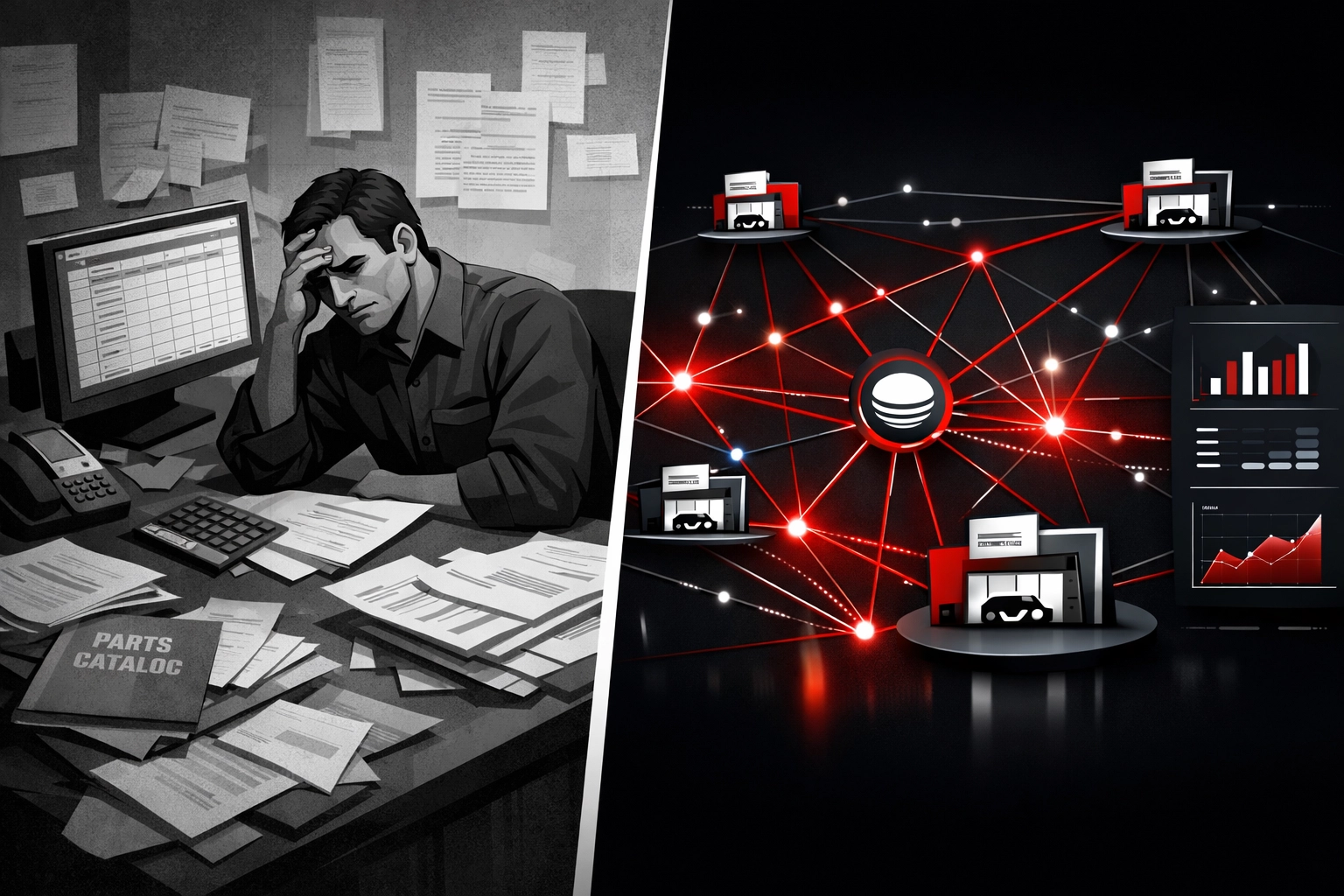
Turning Recall Burden Into Revenue Opportunity
The financial implications of a dealer-to-dealer recall network become clear quickly.
Scenario One: You Have Recall Inventory
You acquire a used vehicle with an open airbag recall. Your service department is backlogged three weeks. The parts you need are on national backorder. This vehicle will sit on your lot for at least 30 days before you can retail it.
Floor plan interest on a $25,000 vehicle at current rates costs approximately $250 per month. Every week of delay costs you $62.50 in pure carrying costs: plus the opportunity cost of that lot space.
Through the dealer-to-dealer recall network, you find a dealer 40 miles away who specializes in airbag recalls and has parts in stock. You arrange transport. They complete the repair in two business days. You pay their service rate: still less than your total carrying costs would have been.
Your vehicle returns to market 28 days faster. You avoid $218.75 in floor plan interest. You free up lot space for another acquisition. Your cash flow improves.
Scenario Two: You Have Service Capacity
Your service department has specialized training in complex electrical recalls. You maintain strong relationships with parts suppliers. Your bays run at 65% capacity during certain weeks.
A dealer 50 miles away has three vehicles with the exact recall you specialize in. They lack the diagnostic equipment and trained technicians. Through the network, they send you those vehicles.
You complete three recall repairs at your standard service rates. You generate $1,800 in service revenue from work you would never have captured otherwise. Your technicians stay productive. Your parts inventory turns faster.
Both dealers win. The network facilitates the transaction efficiently.
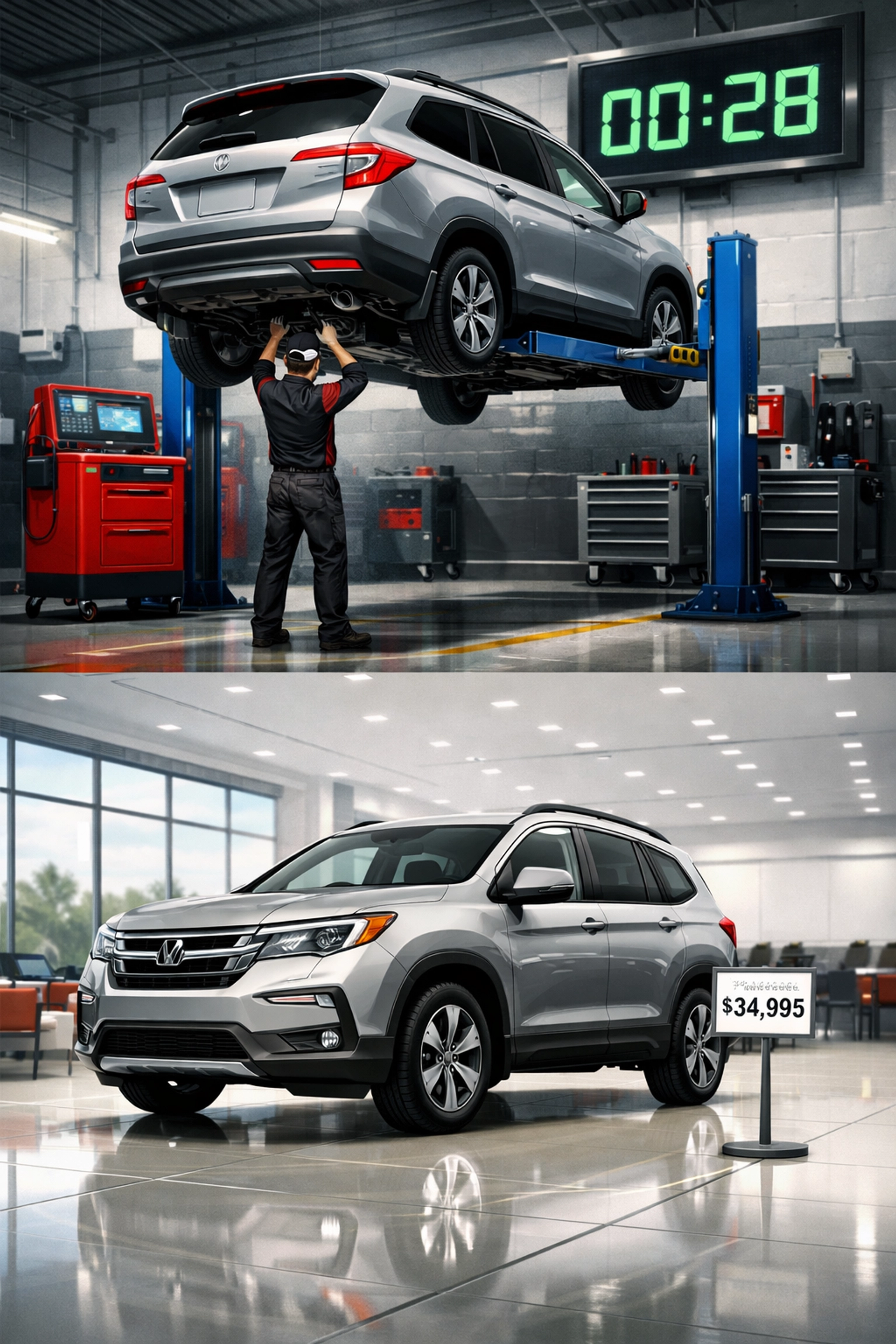
Reducing Inventory Tie-Up Through Strategic Collaboration
Every day a recall vehicle sits in your inventory represents lost opportunity. The dealer-to-dealer recall network directly addresses this inefficiency.
Speed matters in automotive retail. Vehicles that turn quickly generate better margins. Fresh inventory attracts buyers. Stale inventory accumulates costs.
When you can rapidly source recall repairs through the network, your inventory velocity increases. You acquire vehicles other dealers avoid because you have immediate solutions for their recall issues. You negotiate better acquisition prices because you control the repair timeline.
The network creates competitive advantage. While competitors wait weeks for parts or service capacity, you move vehicles through reconditioning and onto the sales floor faster.
This transforms recalls from obstacles into opportunities.
Some of the most successful dealers in the network actively seek vehicles with recalls. They have established relationships with service providers through the platform. They know exactly how long repairs will take and what they will cost. They build these expenses into their acquisition calculations and still generate superior margins because of reduced carrying time.
The Service Revenue Multiplier Effect
For dealers with strong service operations, the network unlocks entirely new revenue streams.
Traditional service departments rely on customer-pay repairs, warranty work, and maintenance packages. These revenue sources are finite and competitive. The dealer-to-dealer recall network adds a B2B revenue channel that most dealerships have never accessed.
Your service department becomes a profit center serving not just retail customers but other dealers. You leverage your existing infrastructure: technicians, equipment, parts relationships: to generate wholesale service revenue.
The numbers scale quickly. A dealer completing just five recall repairs per week for other network dealers at an average service rate of $400 per repair generates $104,000 in annual B2B service revenue. This work requires no marketing spend, no customer acquisition costs, and minimal administrative overhead.
The in-platform messaging ensures efficient coordination. You communicate service timelines clearly. You send repair documentation directly through the platform. Payment processing happens seamlessly.
Your service manager gains predictable work volume. Your technicians maintain higher utilization rates. Your parts department turns inventory faster.
Building Strategic Partnerships, Not Competitors
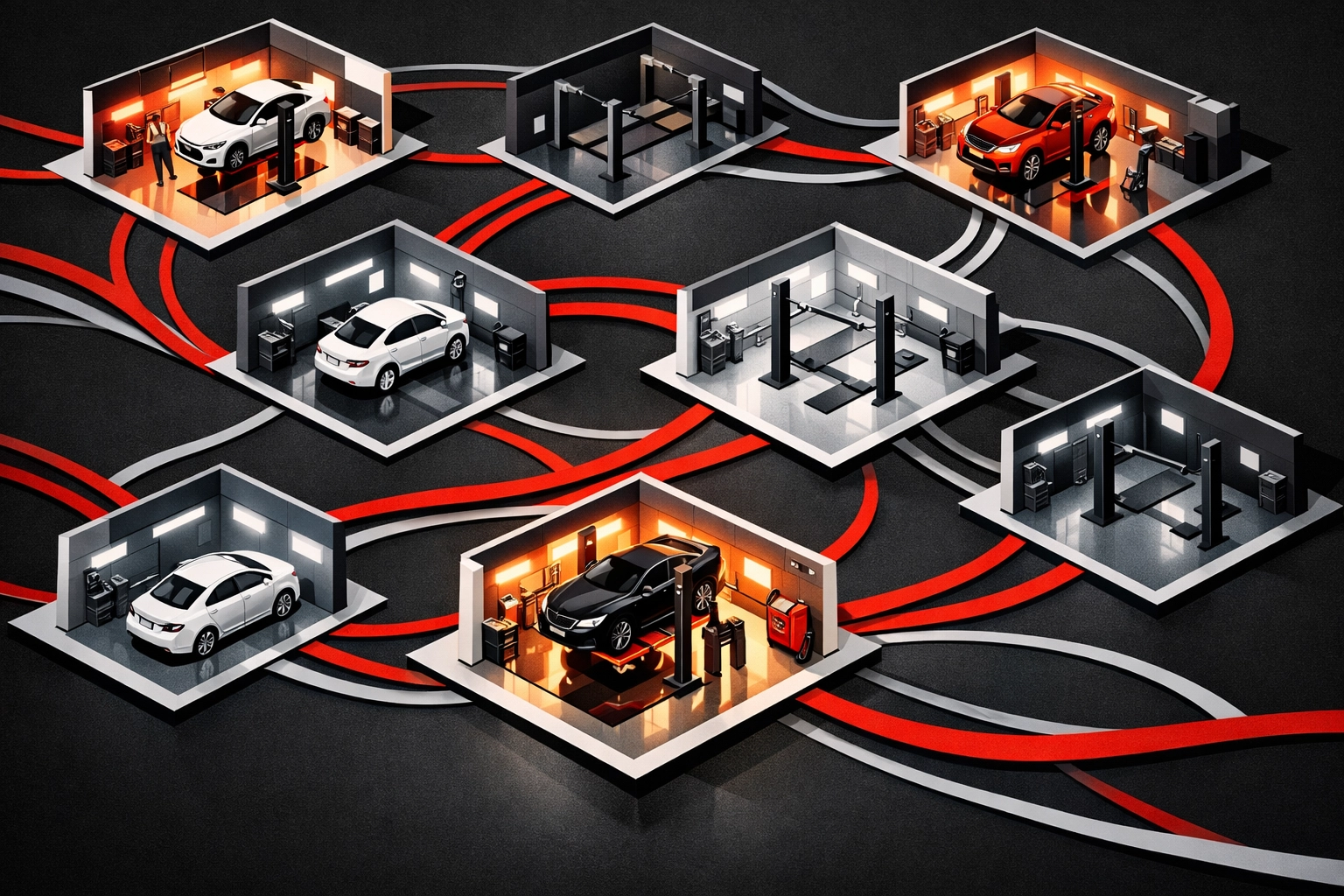
The mindset shift from competition to collaboration requires adjustment for some dealers. The traditional automotive retail culture emphasizes secrecy and competitive advantage.
The dealer-to-dealer recall network operates on different principles. Participating dealers recognize that recall management represents a unique category where collaboration generates superior outcomes for everyone.
You are not sharing customer lists or sales strategies. You are efficiently allocating resources: service capacity, parts inventory, specialized expertise: across a professional network.
The dealers who thrive in this model view other network participants as strategic partners. They build relationships with service departments they trust. They establish preferred rates and priority scheduling. They create mutual benefit.
This mirrors successful models in other industries. Medical practices refer patients to specialists. Law firms collaborate on complex cases. Construction companies subcontract specialized work.
Automotive retail is simply catching up.
The platform facilitates these partnerships through reputation systems, verified credentials, and transparent communication. You control which dealers you work with and what services you offer. The network provides the infrastructure; you determine how to use it strategically.
Getting Started with the Dealer-to-Dealer Recall Network
Trade Recalls makes network participation straightforward. The platform integrates with your existing inventory management systems. Your team requires minimal training. The ROI becomes visible within the first month.
Forward-thinking dealers are already capturing advantages. They are clearing recall inventory faster. They are generating new service revenue. They are building strategic partnerships that strengthen their market position.
The opportunity exists today. While competitors continue operating in isolated silos, you can access a collaborative network that transforms recalls from obstacles into revenue opportunities.
Your inventory will turn faster. Your service department will become more profitable. Your dealership will gain competitive advantages that compound over time.
See how the dealer-to-dealer recall network can transform your recall management. Schedule a demo with our team and discover how dealers are collaborating to maximize recall profitability in 2026.
The question is not whether dealer-to-dealer recall networks will become standard practice. The question is whether you will be early to this advantage or late.