
The phone calls are about to start flooding in. And they won't stop anytime soon.
Over 5 million vehicles are still driving around with defective Takata airbags that could explode without warning. These aren't theoretical safety issues: 28 people in the U.S. have been killed and over 400 injured by metal shrapnel launched from these faulty inflators. The National Highway Traffic Safety Administration has been clear: owners of affected vehicles should stop driving immediately until repairs are completed.
This is the largest automotive recall in U.S. history. And if your dealership doesn't have a recall strategy in place right now, you're about to get buried under an avalanche of customer calls, service appointments, and inventory challenges.
This Isn't a Stellantis Problem: It's an Industry-Wide Crisis
Recent headlines focused on Stellantis issuing "Do Not Drive" alerts for 225,000 vehicles. That grabbed attention. But the reality is far bigger.
The Takata airbag recall spans nearly every major automotive brand. Acura. BMW. Ford. Honda. Mazda. Nissan. Toyota. Subaru. Volkswagen. The list goes on. More than 67 million airbags across tens of millions of vehicles have been recalled since the defect was first identified in 2008.
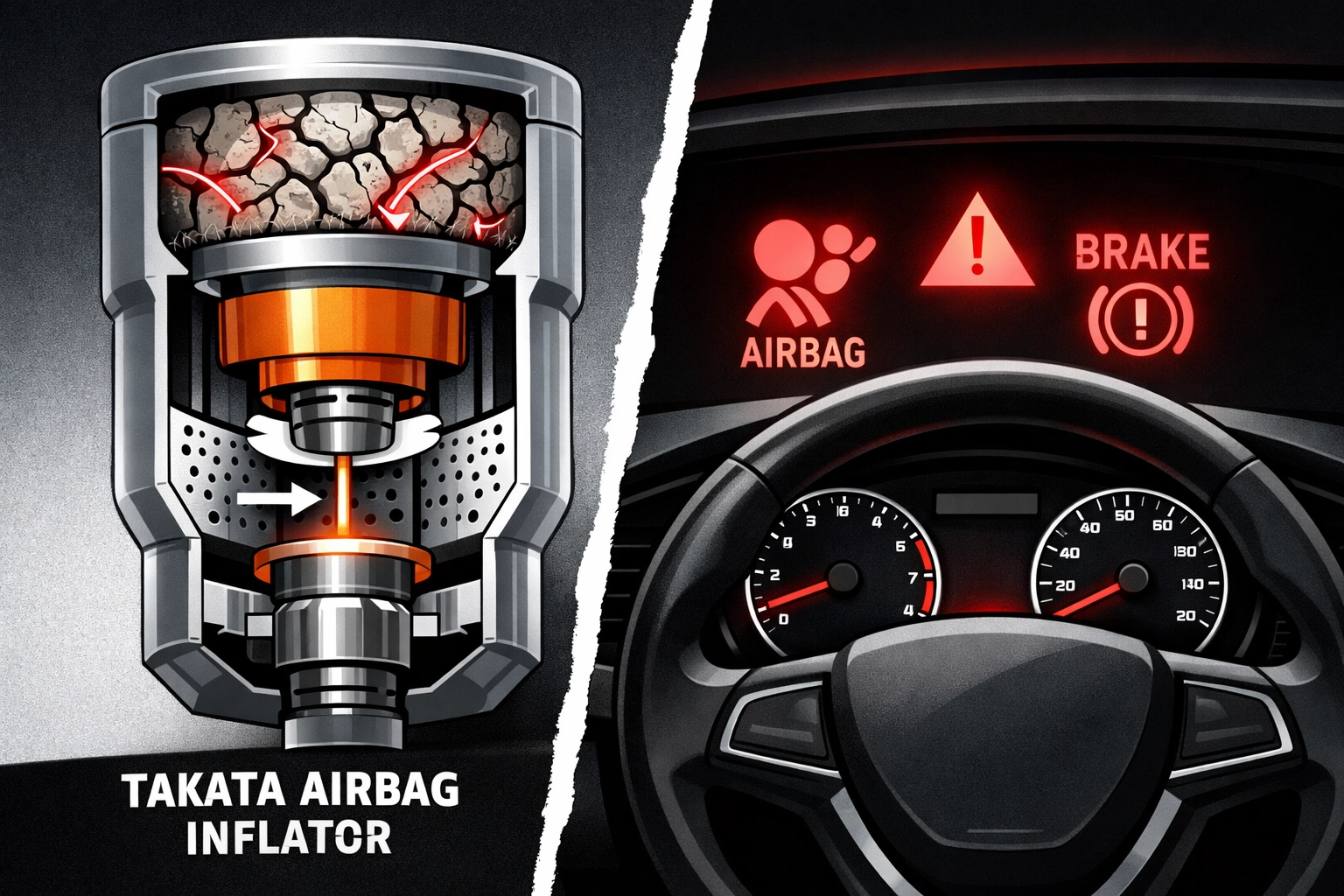
Nearly a decade and a half later, approximately 2% of affected vehicles remain unrepaired. That might sound small until you realize we're talking about millions of cars, trucks, and SUVs with ticking time bombs behind the steering wheel.
The defective inflators degrade over time. Heat and humidity accelerate the deterioration. When an airbag deploys, the inflator can rupture explosively, sending metal fragments into the cabin at lethal velocity. Older vehicles face the highest rupture risk, which means the danger increases with every passing month.
Your customers are driving these vehicles right now. Some of them don't even know it yet.
The Geographic Hot Zones Creating Service Demand
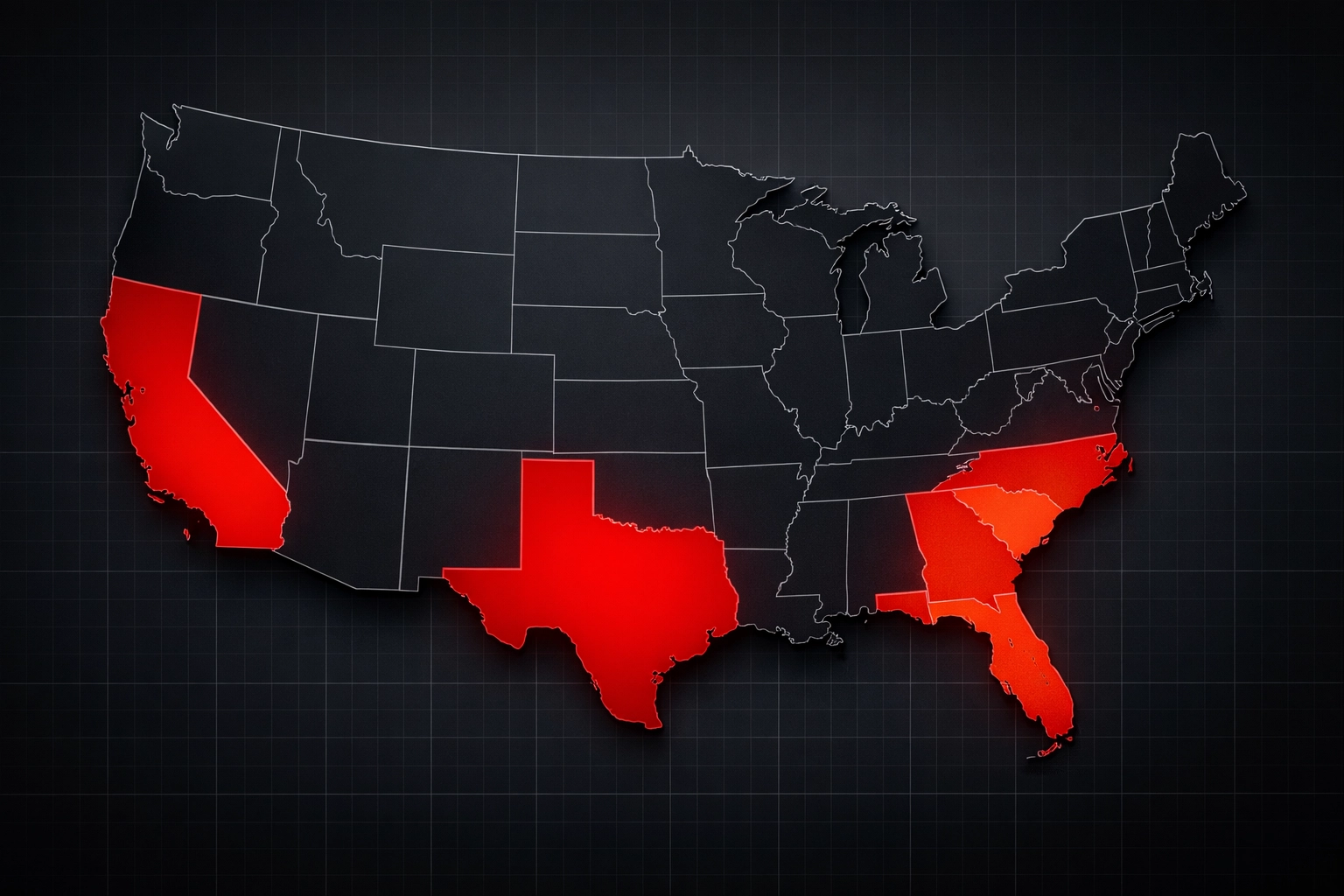
This isn't evenly distributed across the country. States with hot, humid climates bear the heaviest burden.
Texas leads with over 660,000 unrepaired vehicles. California follows with more than 500,000. Florida, Georgia, and other Southern states also show massive concentrations of unresolved recalls.
If you operate in one of these regions, the pressure on your service department is about to intensify. Customers will be calling. They'll be scared. They'll want appointments immediately. And they'll expect you to have answers.
The question is: Will your dealership be ready to handle the volume?
Why "Do Not Drive" Alerts Are Different
Not all recalls are created equal. Most can wait a few weeks for scheduling convenience. Customers can drive to their appointments without concern.
"Do Not Drive" warnings are different. These are life-threatening safety defects that require immediate action. Customers face liability risks if they continue operating recalled vehicles. Insurance companies may refuse coverage. Resale value plummets to zero until repairs are completed.
When NHTSA issues a "Do Not Drive" alert, it creates urgent demand overnight. Your service bays need to prioritize these repairs. Your staff needs to coordinate towing services. Your parts department needs to track replacement component availability.
And your front desk needs to handle the surge of incoming calls without dropping a single lead.
The Hidden Service Opportunity
Here's what most dealers miss: recall work is guaranteed revenue with zero customer acquisition cost.
Manufacturers are required to cover all recall repairs at no cost to vehicle owners through 2029. That's free labor reimbursement, free parts, and a steady stream of customers walking through your doors for the next several years.
But it only works if you can handle the volume efficiently.
If your current system involves:
- Manual tracking of recall notices across multiple brands
- Service advisors spending hours on hold with manufacturers
- Lost voicemails from after-hours calls
- Customers who give up and go to independent shops
You're leaving money on the table. Worse, you're failing customers during their most urgent moments of need.
How Smart Dealers Are Scaling Without Adding Headcount
The dealerships handling this crisis most effectively aren't hiring more staff. They're leveraging technology to multiply their existing team's capacity.
Trade Recalls provides three critical capabilities that transform how dealers manage recall volume:
1. Live Recall Feed for High-Risk Vehicle Tracking
Our platform monitors recall announcements in real-time across all major manufacturers. You can instantly identify which vehicles in your inventory: and in your local market: are affected by "Do Not Drive" alerts.
No more waiting for manufacturer letters. No more manual VIN checks. Your team knows the moment a new recall drops, which vehicles are impacted, and what actions need to be taken.
This visibility extends to your wholesale partners as well. If you're trading inventory with other dealers, you need to know which units carry high-priority recall status before they ever reach your lot.
2. AI Concierge That Never Misses a Call
When a "Do Not Drive" alert goes public, your phone lines light up. Customers call before your service department opens. They call during lunch. They call after closing.
Rachel, our AI Concierge, handles every incoming call with the same professionalism your best service advisor would provide. She books appointments directly into your DMS. She explains recall details accurately. She offers alternative contact methods if the customer prefers human follow-up.
Most importantly, she ensures no service lead is ever missed due to call volume, timing, or staffing constraints.
3. Dealer Network Collaboration
Recall parts supply remains a challenge across the industry. Replacement Takata airbags must meet new safety standards, and production capacity limits how quickly manufacturers can fulfill repair demands.
When one dealer has surplus parts and another faces backorders, the ability to move inventory quickly can determine whether customers wait weeks or months for repairs.
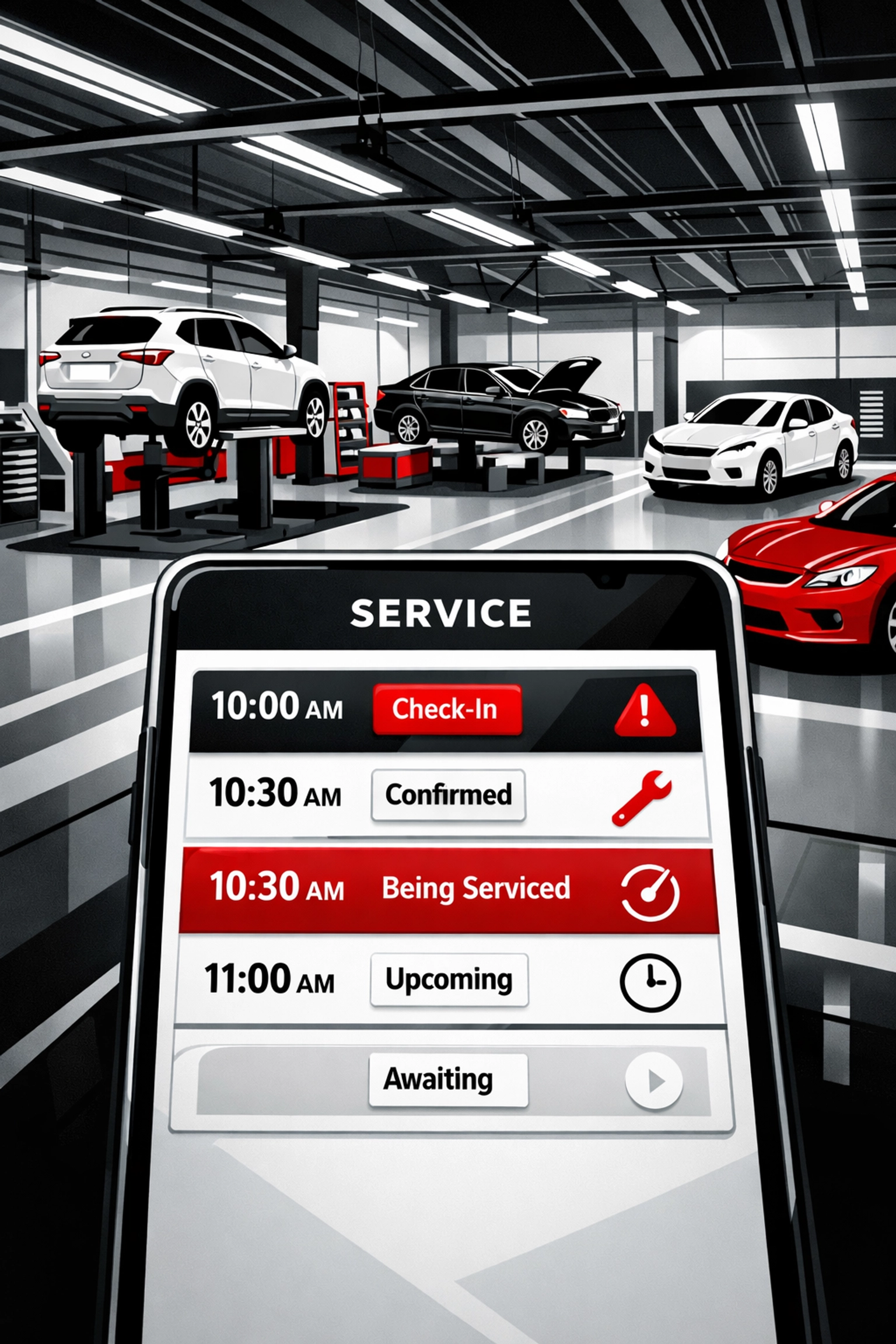
Trade Recalls enables dealership networks to collaborate on recall inventory management. You can identify which locations have available appointment slots, which have parts in stock, and where customers can get the fastest service.
Your Recall Strategy Checklist
If you're a dealership GM, Service Manager, or Owner, here's what you need to implement immediately:
✓ Real-time recall monitoring – Stop relying on manufacturer mail delays
✓ 24/7 call handling – Capture every customer inquiry, day or night
✓ Automated appointment scheduling – Reduce administrative burden on service advisors
✓ Inventory visibility – Know which vehicles on your lot carry recall status
✓ Customer communication workflows – Proactive outreach beats reactive crisis management
✓ Network coordination – Collaborate with other dealers to solve supply chain bottlenecks
✓ Compliance documentation – Maintain records of recall notifications and completion rates
The dealers who implement these systems now will dominate recall service revenue for the next several years. Those who wait will struggle to keep up with demand while watching customers defect to better-prepared competitors.
The Bottom Line
The Takata "Do Not Drive" wave isn't going away. With millions of vehicles still unrepaired and free manufacturer-covered repairs extending through 2029, this represents a multi-year service opportunity for dealerships prepared to handle the volume.
Your customers need help. They need appointments. They need reassurance that their vehicles can be repaired quickly and safely.
Your competitors are watching the same news you are. The question is who will respond faster and more effectively.
Trade Recalls gives you the infrastructure to scale recall operations without adding headcount, missing calls, or losing visibility into high-priority vehicles.
Ready to build a recall strategy that turns crisis into consistent revenue? Learn more about Trade Recalls or sign up to get started.
The calls are already coming in. Make sure you're ready to answer them.